Soft Drink Wastewater COD Monitoring
Review continuous COD equivalent monitoring for sugar-based beverage wastewater before biological treatment.
Build the application around the changing beverage load
Soft drink wastewater can change with product, syrup loss, rinsing and cleaning cycles. Rhosonics identifies the CCM COD model for sugar-based wastewater, including soft drink treatment plants. The implementation must still be validated against the site reference method.
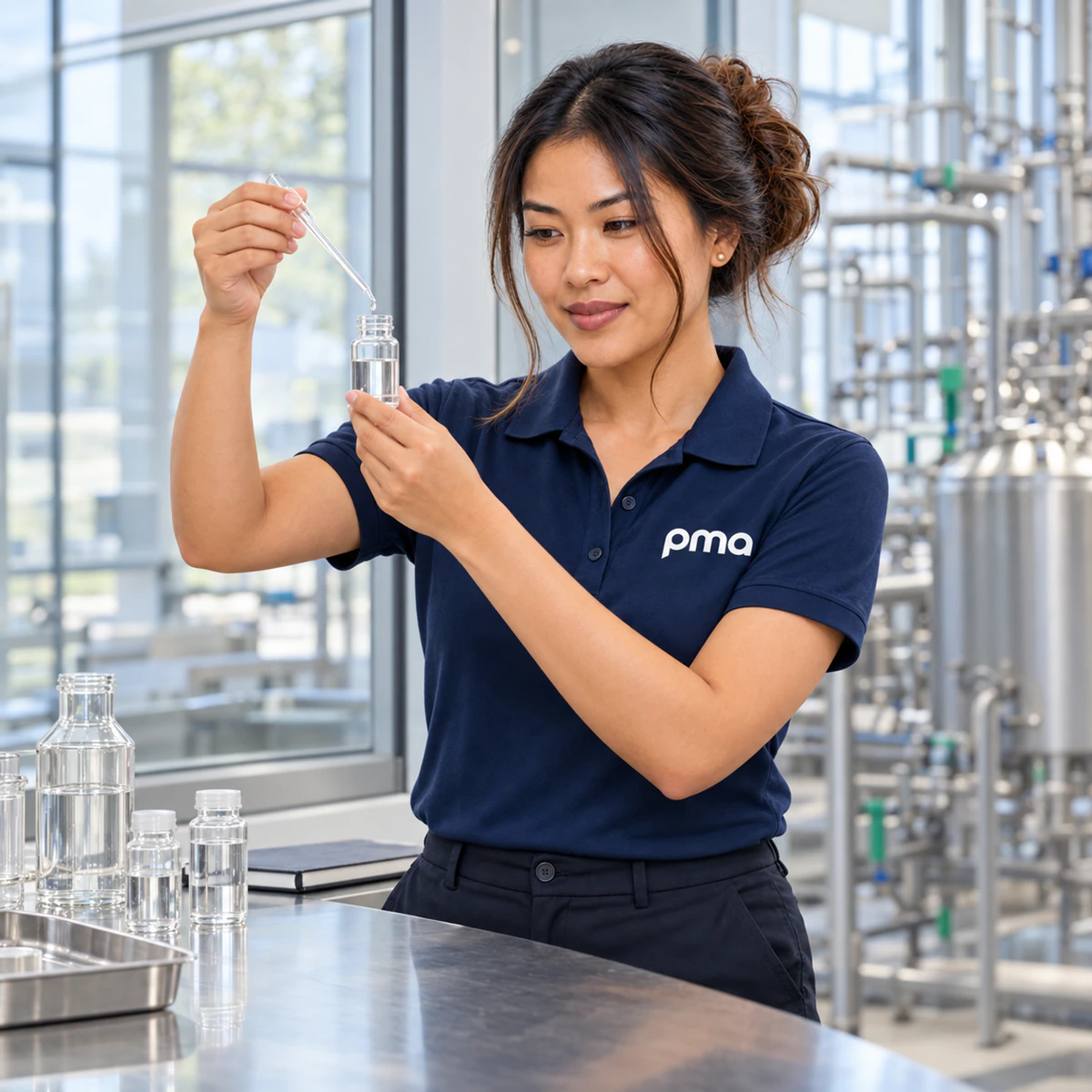
Representative process-water application image; no specific beverage producer or installation is implied.
Define the beverage wastewater application
Product changeovers and cleaning events belong in the validation plan.
Stream composition
List sugars, sweeteners, acids, colours, cleaning chemicals and dilution patterns.
Hydraulic conditions
Confirm flow, mixing, pipe or channel geometry, bubbles, solids and installation access.
Treatment objective
State whether the signal supports early warning, equalisation, aeration or spill investigation.
Evidence basis
Compare trends with laboratory COD and time-stamped production events.
A practical measurement review pathway
Move from a broad application to a defined, testable duty before the signal is used for process decisions.
Map production sources
Identify syrup, filling, rinsing and CIP contributions.
Select a mixed point
Choose a representative influent or equalisation location.
Validate every product family
Include normal production, changeover and peak-loss states.
Govern the response
Separate process alarms from statutory compliance results.
Where the measurement can add value
Continuous measurement is useful only when the process boundary, validation method and operating response are explicit.
Potential value
Continuous monitoring can reveal sugar-rich losses quickly and give wastewater operators more time to respond.
Important limits
The analyser does not identify the lost product or replace laboratory COD, toxicity, pH, nutrient, flow or consent measurements.
Sources and application boundary
These sources define the general measurement context. Final suitability depends on the actual composition, operating range, pipe or vessel conditions, materials, installation point and validation evidence.
Search every application
Use the Application Finder to compare this duty with mining, cement, water, chemical, quarry, dredging and food or beverage guidance.
Let’s talk about your application.
Speak to the PMA team about your instruments, reagents or service requirements. Tell us what you need, and we’ll help you find the right next step.
- Advice for your application. Find the right instruments, sensors and chemical reagents for your process.
- Practical service support. Discuss commissioning, calibration, maintenance or an instrument issue with our team.
- Clear next steps. Ask a technical question or request a callback, with your site and measurements in mind.
- An enquiry, not a mailing list. Your details are used to respond to you. You won’t be added to a marketing database.
Prefer to speak with us?
Call 01484 843 708You can also email sales@pma.uk.com.
Need a faster response?
Share a few details about your application now, and we can help you find the right next step sooner.
Tell us how we can help
Share your requirements below. All fields are required.
Your enquiry goes directly to our team. Your details are used to respond to you, and you won’t be added to a marketing database. Read our privacy policy.