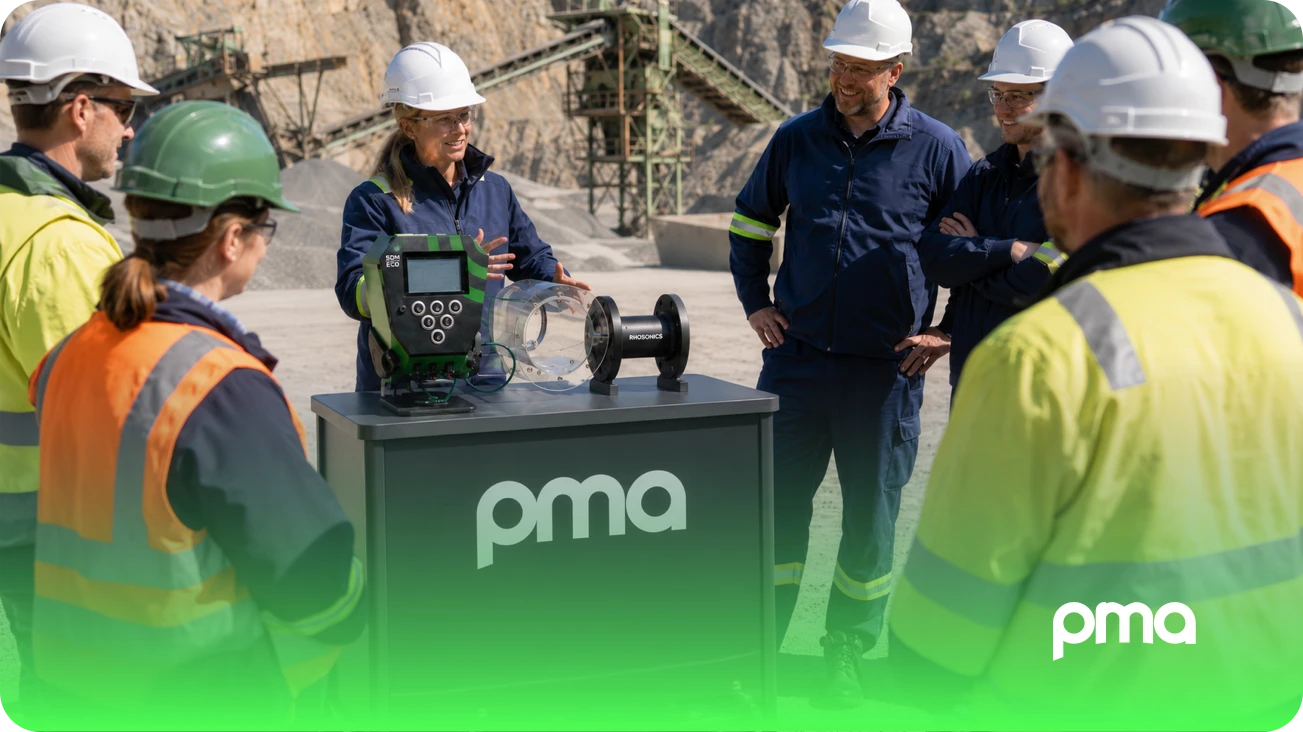


Slurry level measurement and slurry density measurement answer different process questions. A level instrument indicates how much material occupies a vessel or sump. A density instrument indicates the mass per unit volume of the material at its measurement point. Neither value is a substitute for the other.
The distinction matters when a search for “slurry level measurement mining” leads to density equipment. The Rhosonics SDM ECO is a slurry density meter; it should not be presented as a level instrument.
Level and density answer different operating questions
Level can help operators manage vessel inventory, prevent overflow, protect pumps and maintain a suitable operating volume. Density can help them understand changes in slurry condition, solids loading and the input to process-control or mass-flow calculations. The process may need both signals, plus flow, pressure or other measurements.
What slurry level measurement shows
Level measurement describes the position or volume of material in equipment such as a sump, tank or thickener. Technology selection depends on the vessel, foam, agitation, buildup, access and measurement range. The correct instrument and mounting method must be reviewed for that duty.
What slurry density measurement shows
Density measurement describes the mass per unit volume at the measurement point. In mining it may support trending and decisions around grinding, classification, thickening, pumping, tailings or transfer. The result depends on a representative installation, suitable calibration and process evidence.
The mining slurry density application guide explains the hydraulic and evidence questions for a named stream.
Why level cannot be inferred from density
A dense slurry does not reveal how full a vessel is, and a stable vessel level does not reveal whether solids loading has changed. A sump could maintain level while water addition, solids feed and pump-out conditions change. Treating one variable as the other can hide the actual process state.
When a mining process may need both
A grinding-circuit sump may use level to manage inventory and pump operation while density helps describe the slurry condition sent towards classification. A thickener may use bed, interface or vessel information for one control purpose and underflow density for another. The signals must be interpreted according to their locations and time response.
At a transfer line, density may be combined with a valid flow measurement for mass-flow calculations. The slurry density and percent-solids calculator explains the assumptions behind solids calculations; it does not calculate vessel level.
Align measurements before using them together
- Define the physical variable, units and measurement location for every signal.
- Check whether transport delay or vessel residence time affects comparison.
- Record normal, start-up and upset operating states.
- Document invalid-signal handling and manual fallback.
- Validate calculations and control logic using representative process evidence.
Choose instrumentation by variable, not by a broad slurry label
Start with the operating question. If the task is inventory or overflow protection, review an appropriate level-measurement solution. If the task is continuous slurry density, use the mining density hub and current SDM ECO information to prepare the application data.
Sources and further reading
- Rhosonics SDM ECO product information
- Rhosonics Grupo Mexico thickener-underflow case study
- Rhosonics gold-processing classification case study
Define the variable first: ask PMA to review the density duty and surrounding process measurements.