
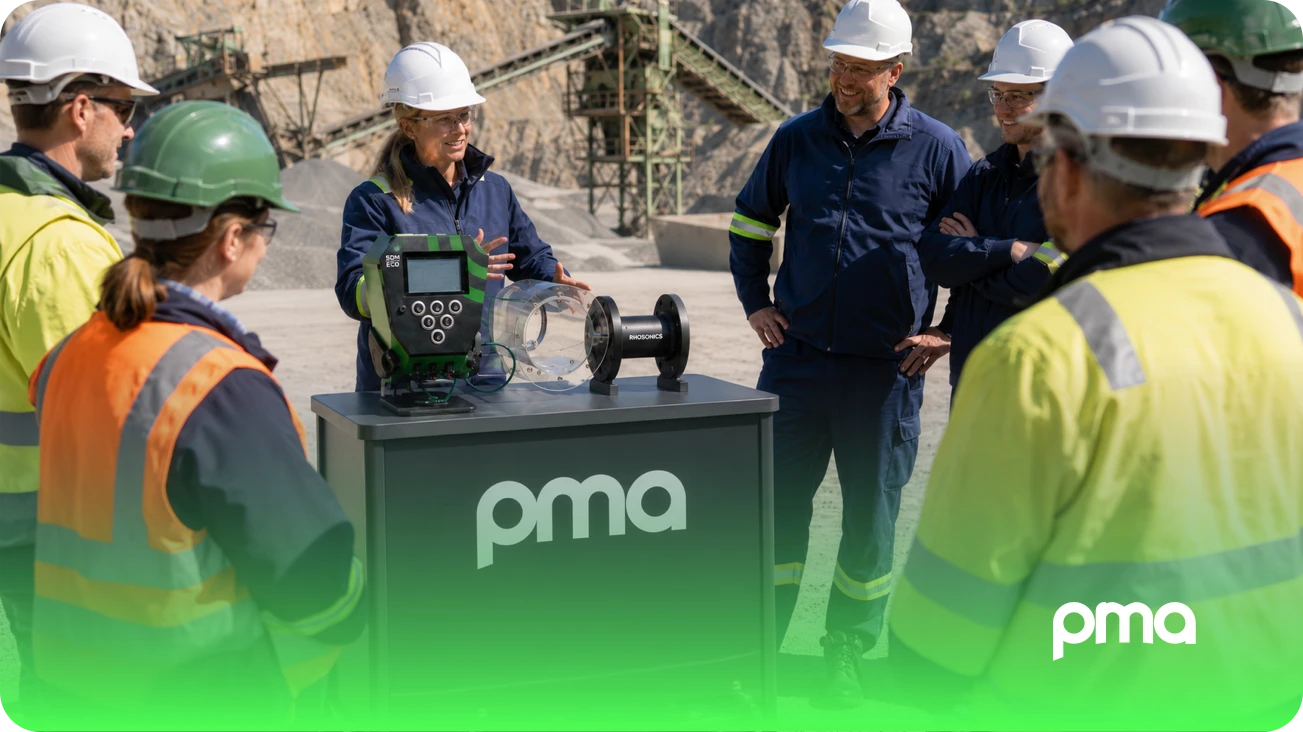

Why quarries are reconsidering slurry density measurement
Quarry and mineral-processing teams work with changing materials, water conditions and operating demands. When slurry density is an important process variable, the question is not simply which instrument to install; it is how to obtain information that fits the site, the process and the way the team manages equipment.
That is why some operators are reviewing non-nuclear approaches to slurry density measurement. A non-nuclear option does not remove the need for a proper engineering review, site assessment or compliance advice. It can, however, give teams another route to consider when radioactive-source equipment is not aligned with their operating approach.
A quarry decision should start with the process
Density can matter at several points in a quarry or mineral-processing circuit: in process slurries, classification stages, thickening duties, hydrocyclone feeds and other material-handling steps. The useful starting point is to define the decision the measurement will support. Is the aim to understand a changing feed, to give an operator a clearer view of a process condition, or to provide data to a wider control strategy?
That discussion should include the slurry itself, installation location, pipework or vessel arrangement, maintenance access, the site’s communications architecture and the operating team’s workflow. A measurement technology should be assessed against those practical conditions rather than against a generic checklist alone.
For an overview of the application, see PMA’s page on non-nuclear density monitoring for mining, quarries and dredging.
What non-nuclear measurement changes in the conversation
Nuclear gauges and non-nuclear instruments are different technologies with different site considerations. Where a site is evaluating non-nuclear measurement, the review can focus on the process information required, the installation and the practical fit with the existing plant. Any safety, licensing or regulatory obligations should always be checked for the particular site and jurisdiction.
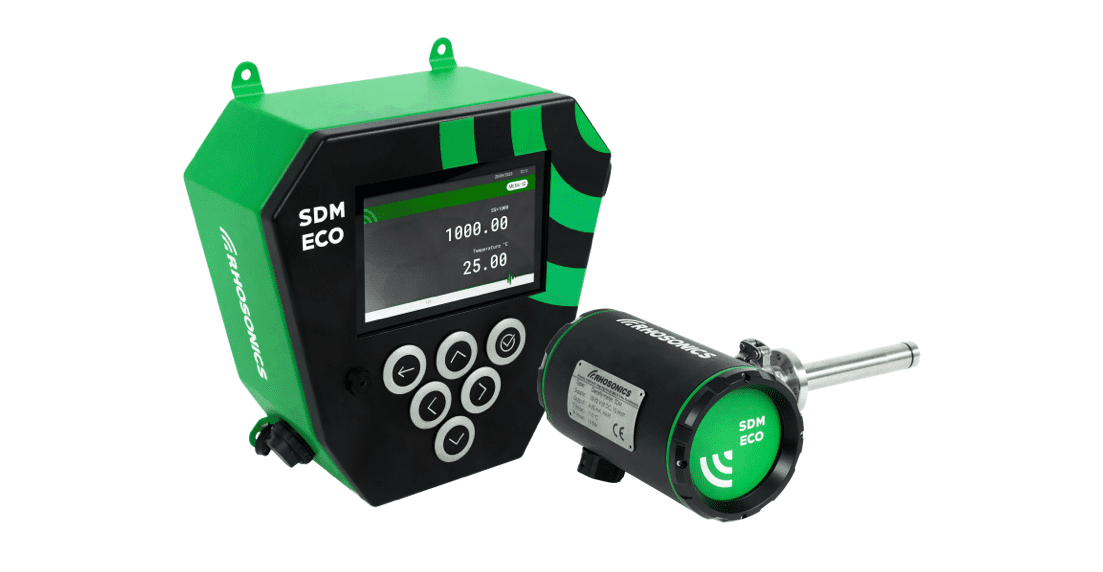
Ultrasonic measurement is one non-nuclear approach. The SDM ECO product page describes a non-nuclear ultrasonic slurry density meter with HART technology for communication. That makes it a relevant option to examine where a quarry needs a density-measurement solution for slurry service and wants to understand whether an ultrasonic approach suits its process.
Questions to ask before selecting an instrument
A useful evaluation is specific rather than promotional. Start with the expected slurry range and the point at which the measurement will be used. Then work through installation, access and data requirements with the people who will operate and maintain the equipment.
- What process condition is the density measurement intended to inform?
- Where can the sensor and analyser be located for reliable operation and practical access?
- How will the reading be viewed, recorded or connected to the wider system?
- What site procedures apply to the technology under consideration?
- Who will own the day-to-day use of the information once the instrument is installed?
Those questions help a team compare options on the basis of the actual application. They also keep the conversation grounded: a suitable technology for one slurry line or quarry workflow may not be the right answer for another.
Using density information as part of a wider process view
A density signal is most valuable when it is understood alongside the rest of the process. Operators and engineers may compare it with flow, pressure, pump behaviour, solids handling or other site data to investigate a changing condition. The purpose is not to assume that one measurement answers every process question, but to use a dependable input in the context of the plant.
For a related example of how density monitoring can inform a grinding-circuit discussion, read Preventing Mill Overload: Mastering Grinding Circuits with Real-Time Density Monitoring. The wider SDM ECO overview also explains the product’s role in ultrasonic, non-nuclear slurry-density measurement.
From evaluation to an informed choice
Non-nuclear slurry density measurement is worth considering where it matches the application, installation and site-management requirements. For quarry teams, the next step is a practical review of the process and the information required—not a blanket assumption that any one technology fits every duty.
PMA’s SDM ECO installation article from Poland offers further background on how the product has been used in an industrial setting. To discuss a quarry or mineral-processing application, contact the Rhosonics team with the slurry, process point and operating requirements you need to assess.