Industrial Wastewater Spill and COD Monitoring
Define an early-warning application for unexpected organic loads entering an industrial wastewater treatment plant.
Connect the signal to a response the plant can execute
Continuous COD equivalent monitoring can help indicate sudden changes between laboratory samples. A credible application needs a known wastewater basis, representative mixing, validated limits and a written response that does not confuse an operational alarm with a compliance result.
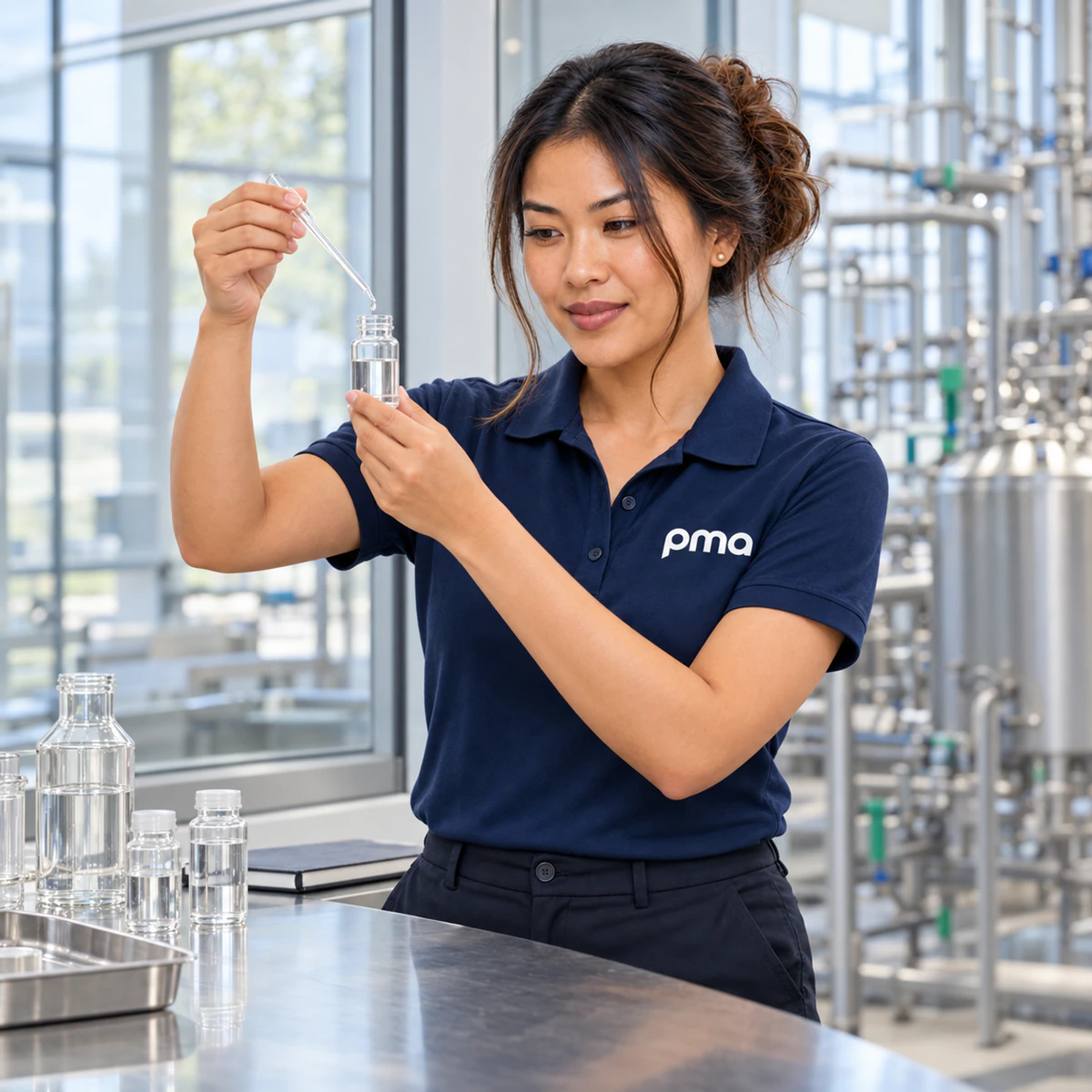
Representative water-treatment application image; final suitability depends on the wastewater composition.
Build the early-warning measurement plan
The signal should be part of a wider wastewater protection system.
Source inventory
Map production drains, cleaning streams, equalisation and known high-load events.
Candidate location
Choose a point with adequate mixing, stable hydraulics and enough response time.
Alarm response
Define investigation, diversion, containment or treatment actions and ownership.
Verification
Retain laboratory COD, flow, conductivity, pH and process event evidence.
A practical measurement review pathway
Move from a broad application to a defined, testable duty before the signal is used for process decisions.
Characterise normal variation
Establish the expected operating envelope.
Identify credible spills
List materials and events the model may or may not detect.
Validate warning thresholds
Test sensitivity without creating unmanageable nuisance alarms.
Maintain governance
Review calibration and response after process changes.
Where the measurement can add value
Continuous measurement is useful only when the process boundary, validation method and operating response are explicit.
Potential value
Earlier visibility can reduce the time between an organic-load event and an operational response.
Important limits
No single analyser detects every contaminant. Independent pH, toxicity, conductivity, flow, laboratory and containment controls remain necessary.
Sources and application boundary
These sources define the general measurement context. Final suitability depends on the actual composition, operating range, pipe or vessel conditions, materials, installation point and validation evidence.
Search every application
Use the Application Finder to compare this duty with mining, cement, water, chemical, quarry, dredging and food or beverage guidance.
Let’s talk about your application.
Speak to the PMA team about your instruments, reagents or service requirements. Tell us what you need, and we’ll help you find the right next step.
- Advice for your application. Find the right instruments, sensors and chemical reagents for your process.
- Practical service support. Discuss commissioning, calibration, maintenance or an instrument issue with our team.
- Clear next steps. Ask a technical question or request a callback, with your site and measurements in mind.
- An enquiry, not a mailing list. Your details are used to respond to you. You won’t be added to a marketing database.
Prefer to speak with us?
Call 01484 843 708You can also email sales@pma.uk.com.
Need a faster response?
Share a few details about your application now, and we can help you find the right next step sooner.
Tell us how we can help
Share your requirements below. All fields are required.
Your enquiry goes directly to our team. Your details are used to respond to you, and you won’t be added to a marketing database. Read our privacy policy.