Brewery Wastewater COD Monitoring
Use real-time COD equivalent monitoring to detect organic load changes before they upset the brewery wastewater treatment process.
Define the brewery influent and the protection objective
Brewery wastewater can contain varying loads of sugars, alcohols and process residues. The CCM COD application is designed for sugar-based wastewater, but the project still needs a representative point, a supported calibration basis and comparison with the approved laboratory method.
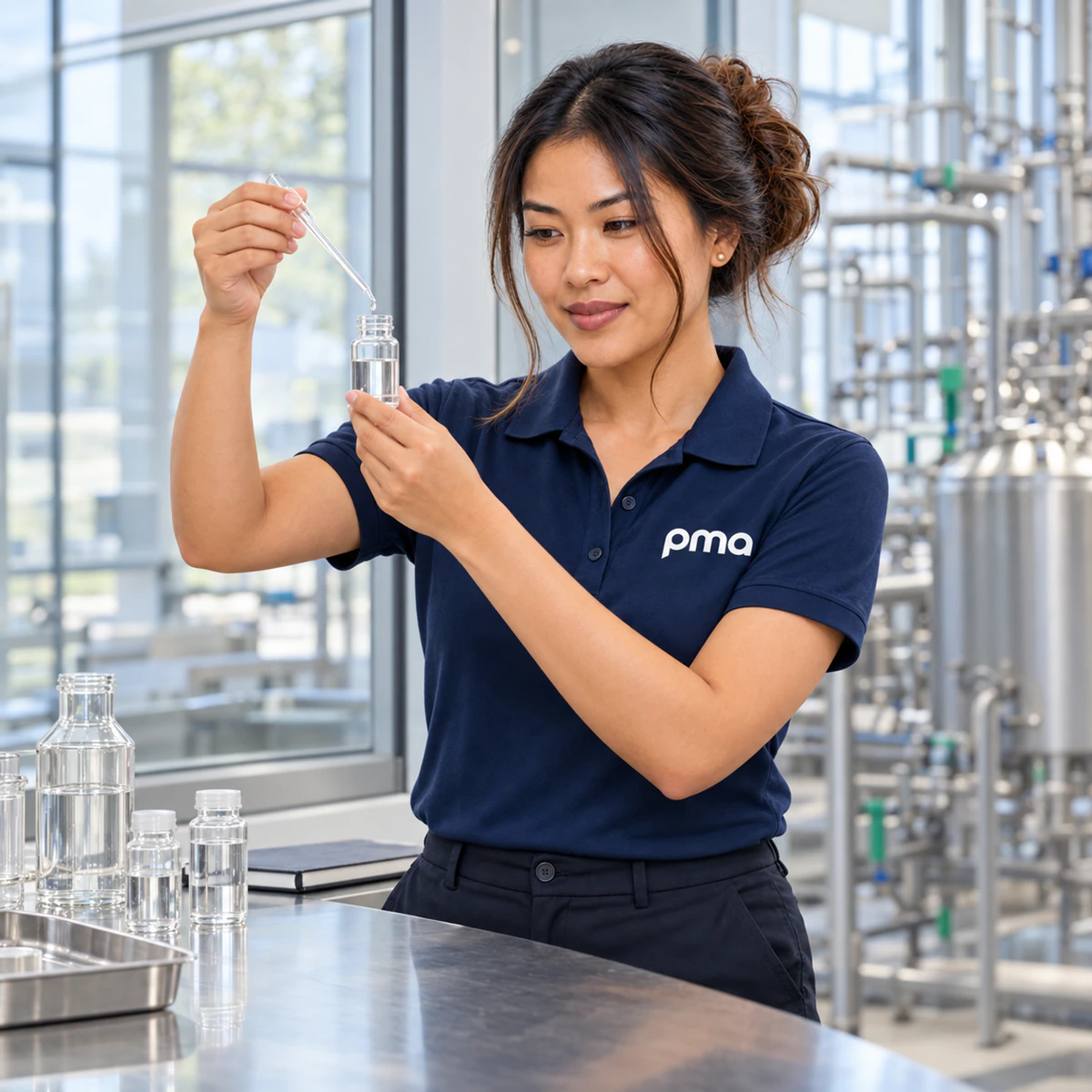
Representative process-liquid validation image; the final sensor position depends on the brewery wastewater system.
Frame the brewery wastewater duty
The measurement should support an explicit treatment or spill-response decision.
Influent profile
Document production streams, cleaning events, dilution, pH, conductivity and expected organic load.
Measurement point
Select a mixed, representative line or channel before the biological process or equalisation stage.
Operational response
Define alarms, diversion, aeration or investigation actions and who authorises them.
Reference evidence
Align CODeq and TSSeq trends with laboratory COD and process events over the intended range.
A practical measurement review pathway
Move from a broad application to a defined, testable duty before the signal is used for process decisions.
Map wastewater sources
List brewhouse, fermentation, packaging and cleaning contributions.
Choose the representative point
Avoid stagnant, unmixed or unrepresentative streams.
Validate the model
Compare with the approved laboratory basis across normal and peak loads.
Set alarm governance
Document thresholds, delays, invalid states and response procedures.
Where the measurement can add value
Continuous measurement is useful only when the process boundary, validation method and operating response are explicit.
Potential value
Real-time trend information can provide earlier warning of high organic loads and help protect the biological treatment stage.
Important limits
CODeq is an application model, not a replacement for statutory laboratory analysis, discharge consent testing or independent water-quality safeguards.
Sources and application boundary
These sources define the general measurement context. Final suitability depends on the actual composition, operating range, pipe or vessel conditions, materials, installation point and validation evidence.
Search every application
Use the Application Finder to compare this duty with mining, cement, water, chemical, quarry, dredging and food or beverage guidance.
Let’s talk about your application.
Speak to the PMA team about your instruments, reagents or service requirements. Tell us what you need, and we’ll help you find the right next step.
- Advice for your application. Find the right instruments, sensors and chemical reagents for your process.
- Practical service support. Discuss commissioning, calibration, maintenance or an instrument issue with our team.
- Clear next steps. Ask a technical question or request a callback, with your site and measurements in mind.
- An enquiry, not a mailing list. Your details are used to respond to you. You won’t be added to a marketing database.
Prefer to speak with us?
Call 01484 843 708You can also email sales@pma.uk.com.
Need a faster response?
Share a few details about your application now, and we can help you find the right next step sooner.
Tell us how we can help
Share your requirements below. All fields are required.
Your enquiry goes directly to our team. Your details are used to respond to you, and you won’t be added to a marketing database. Read our privacy policy.